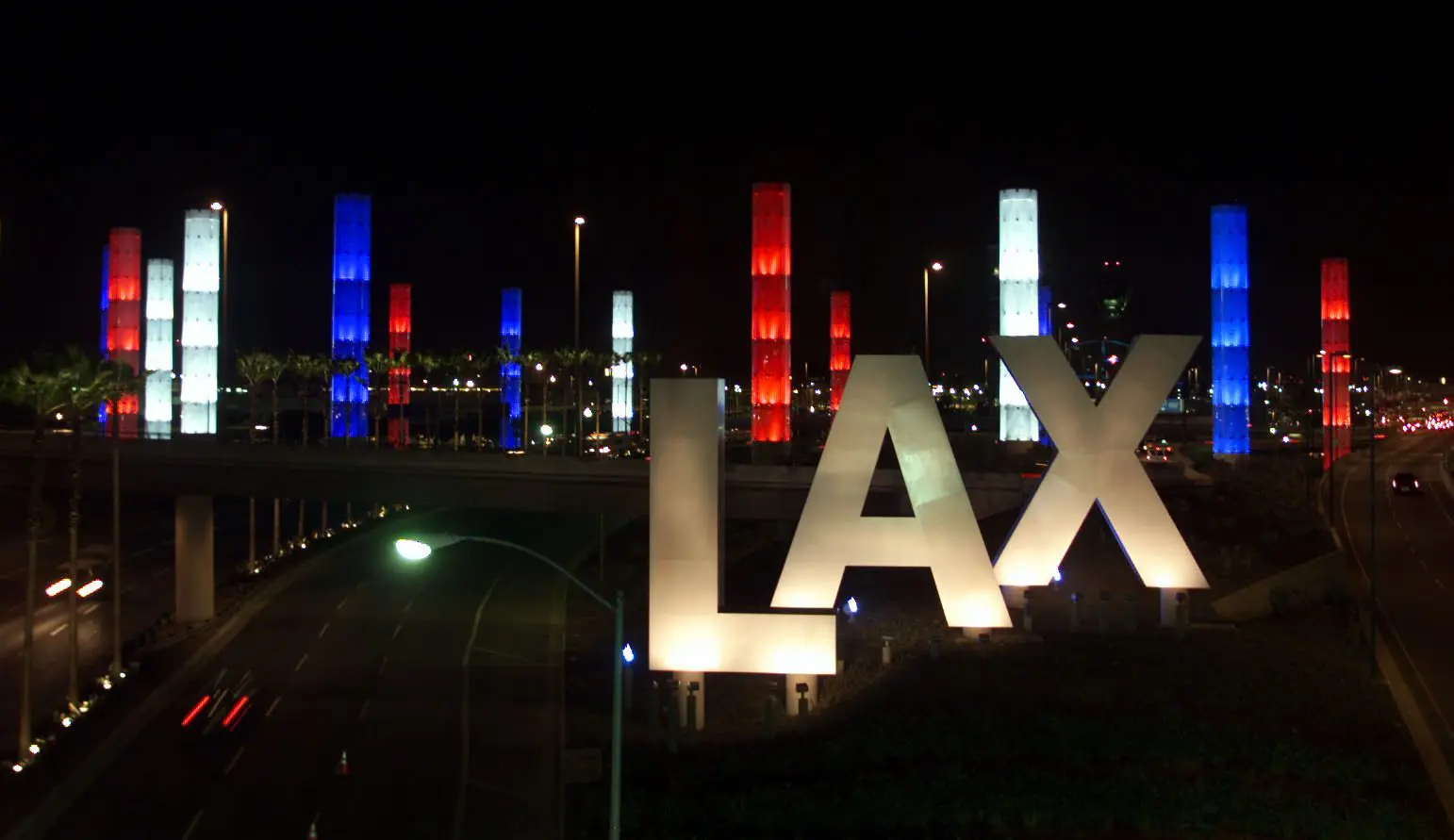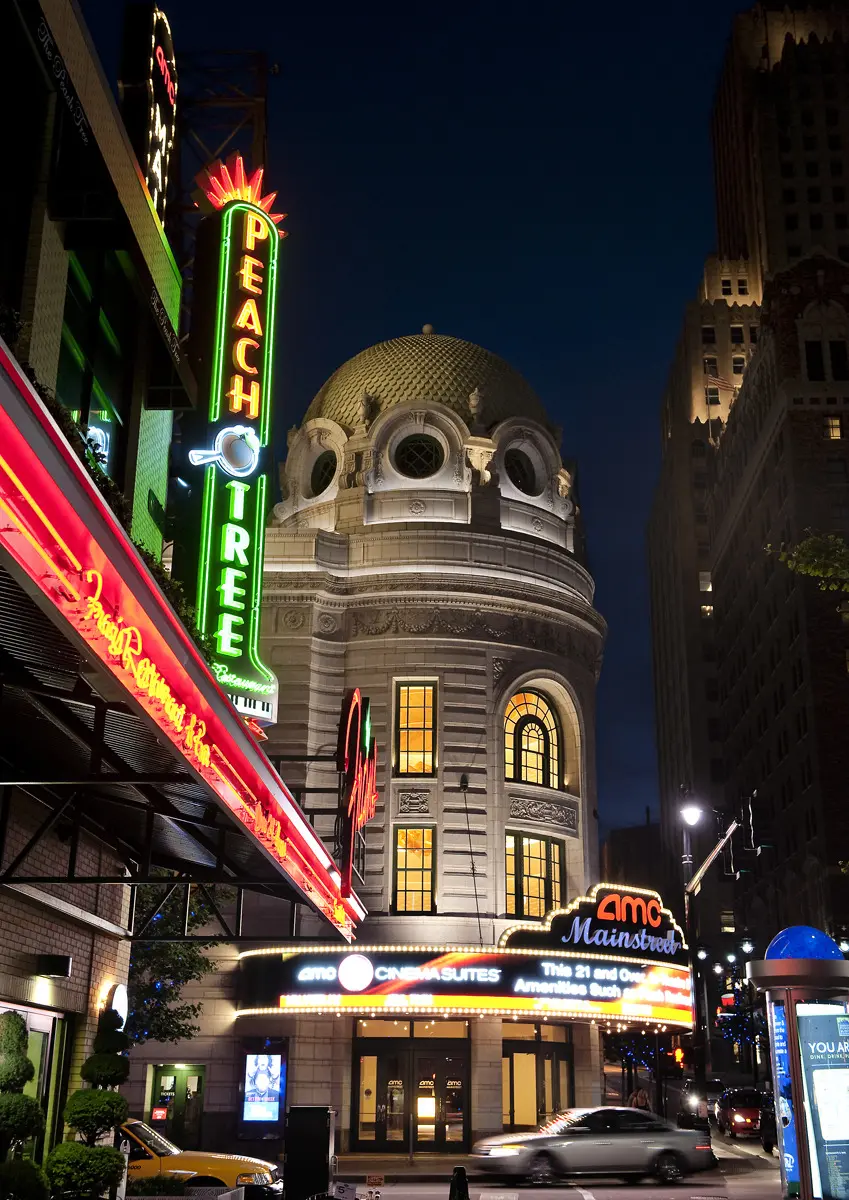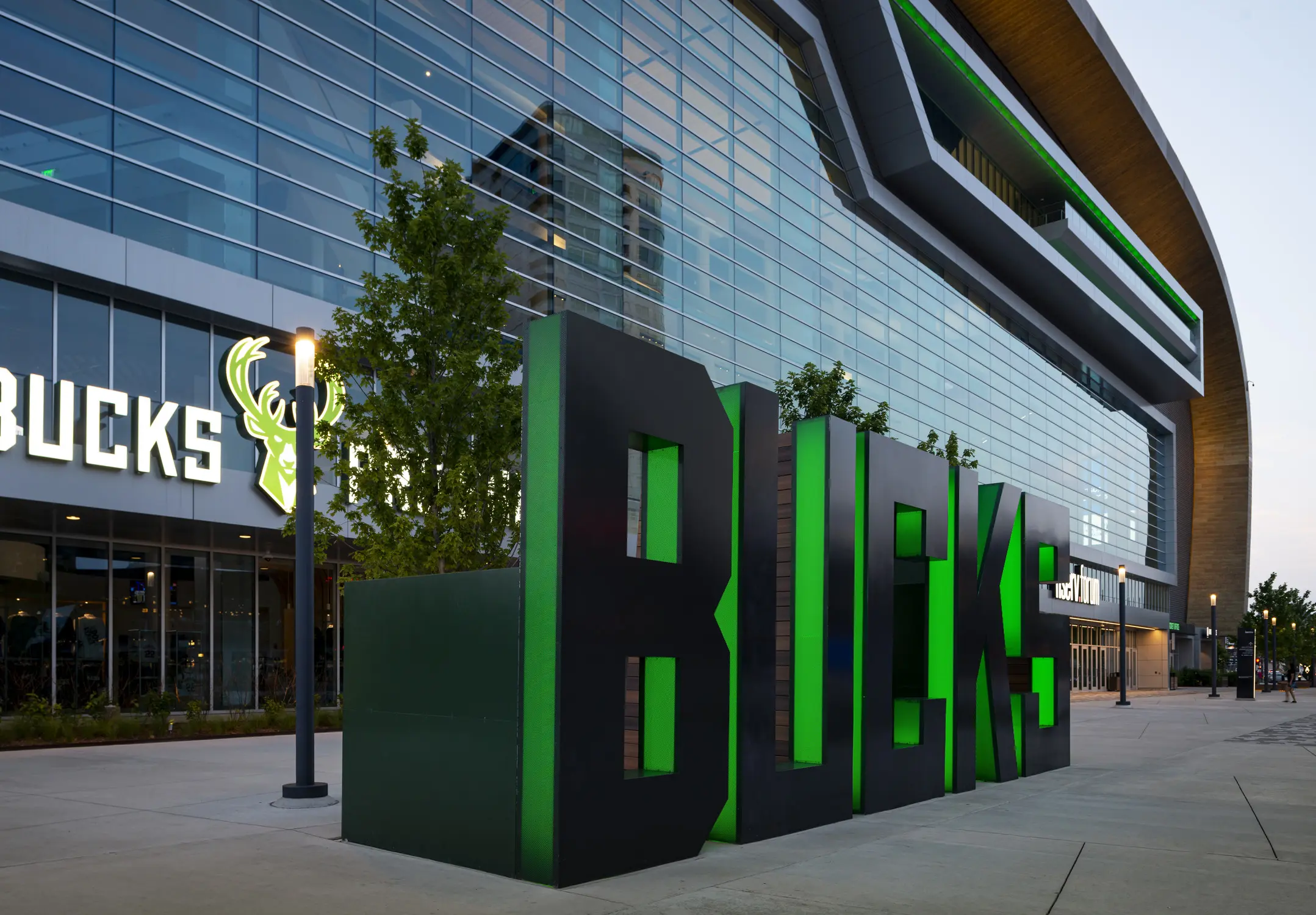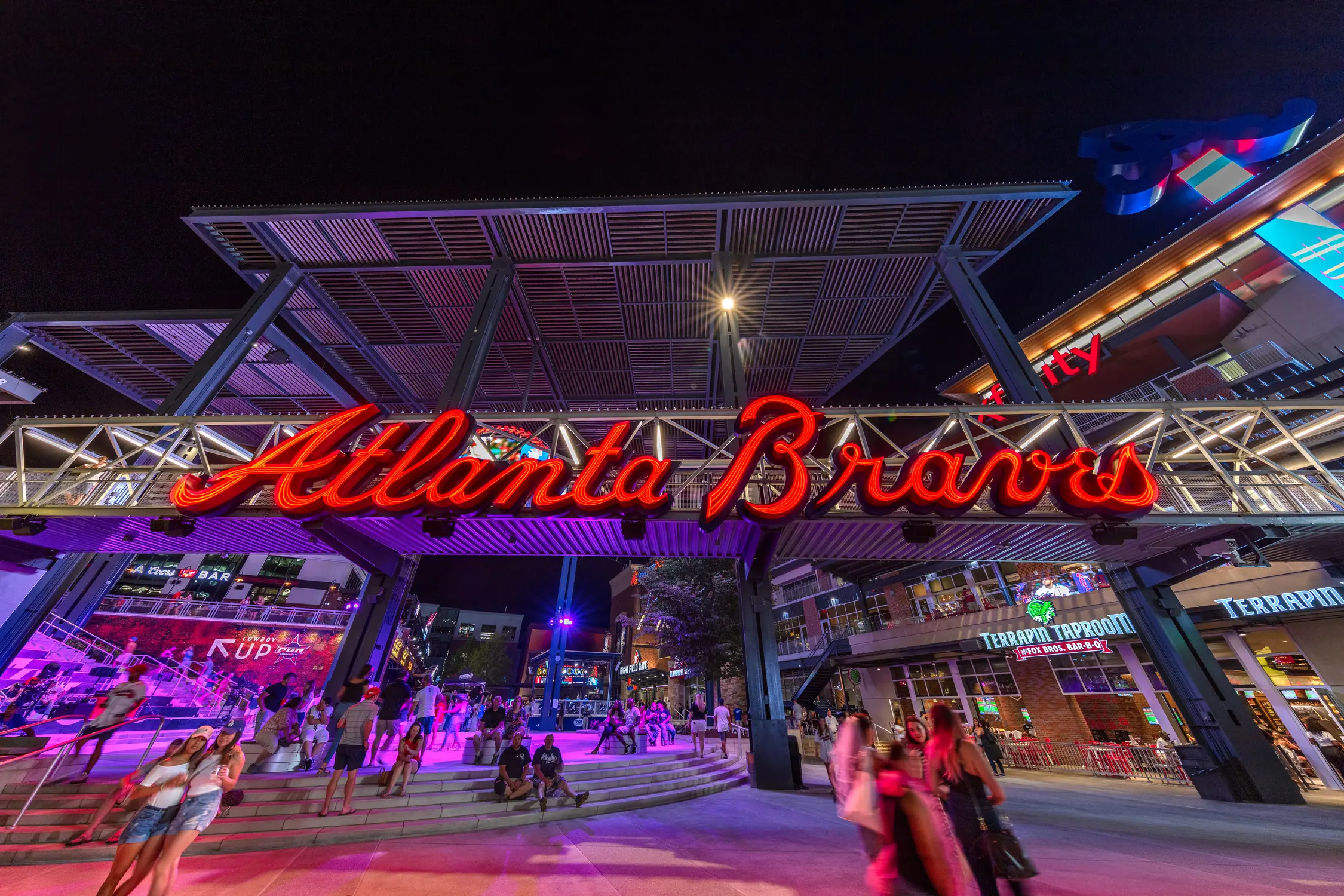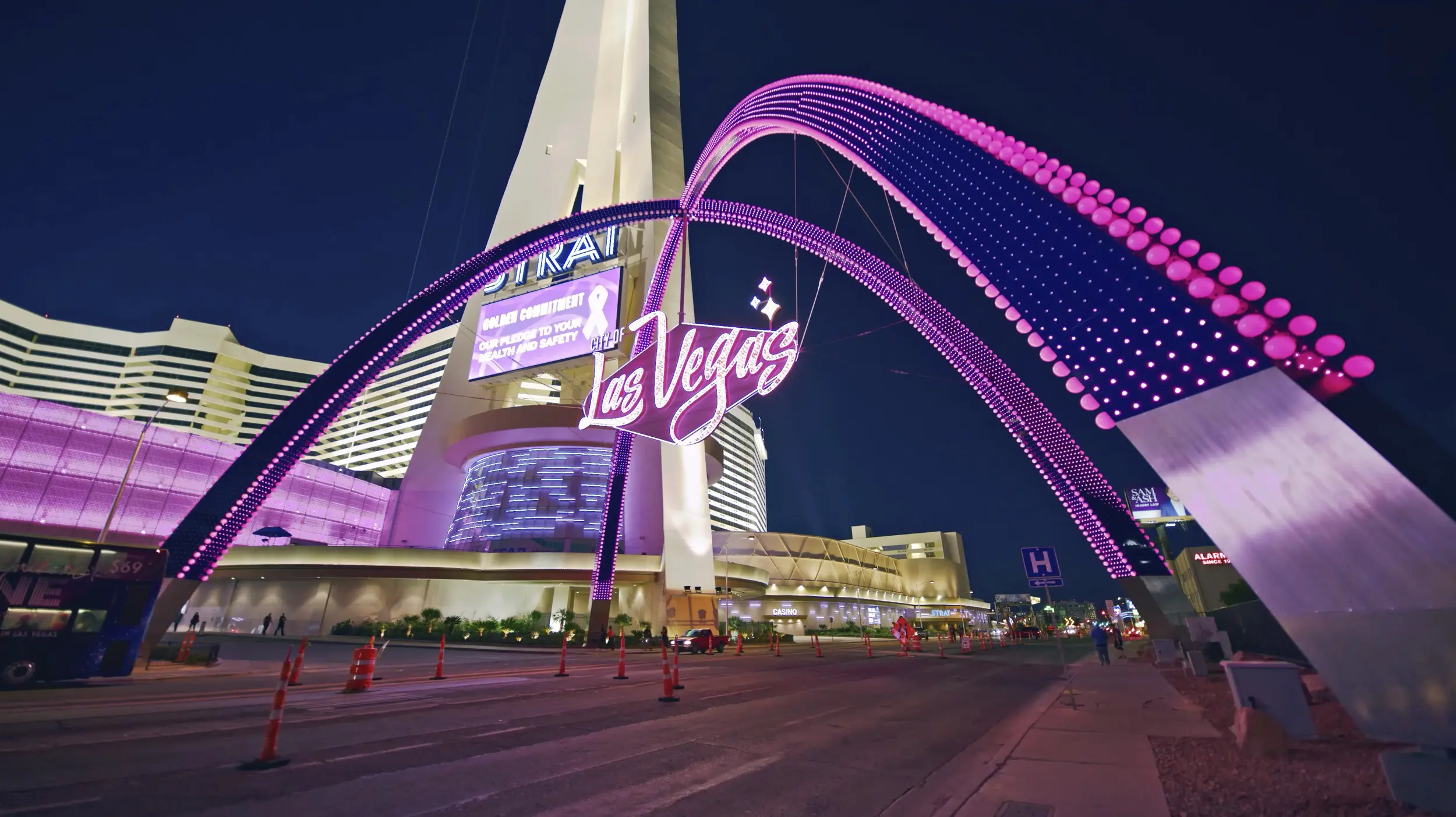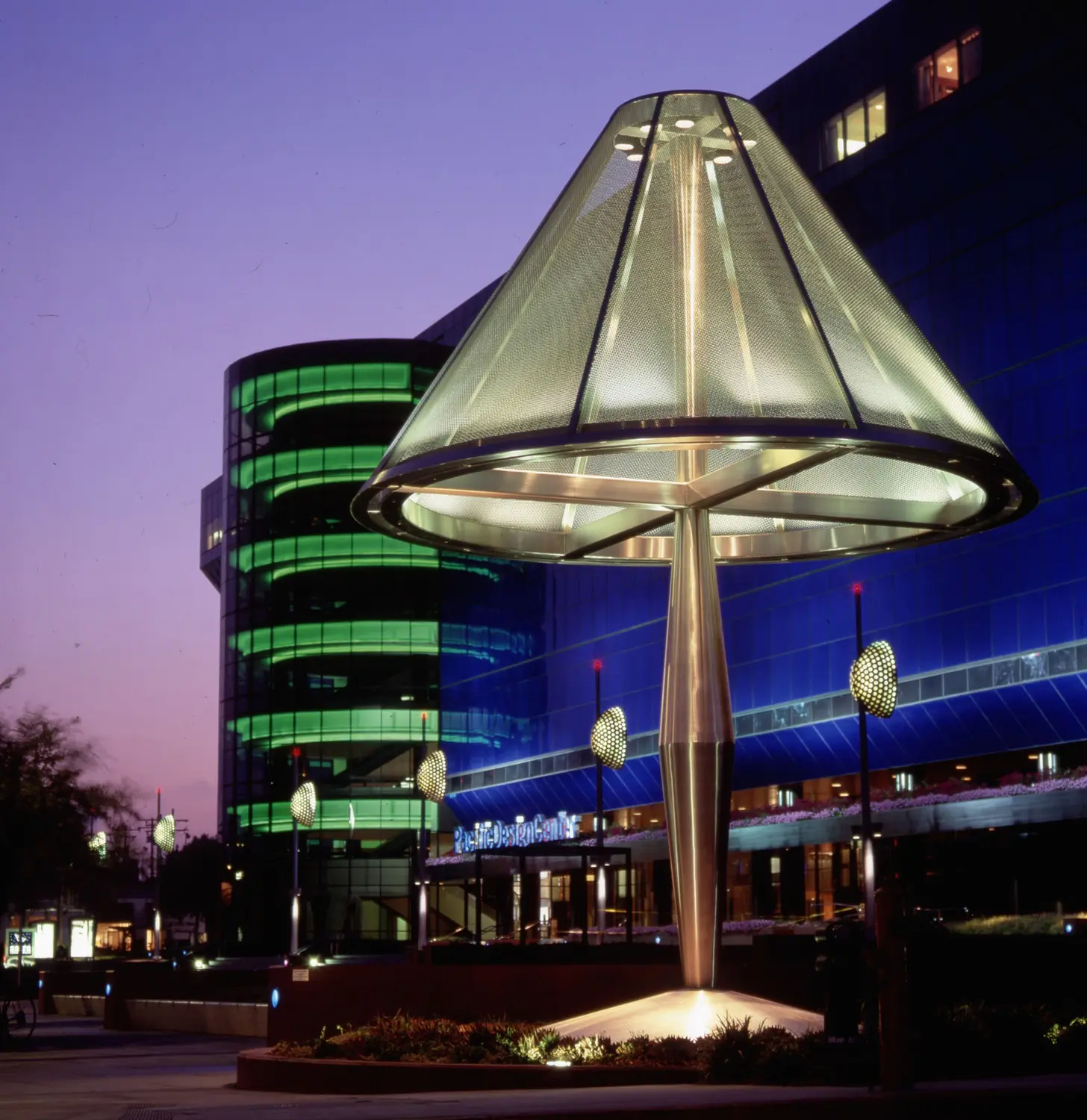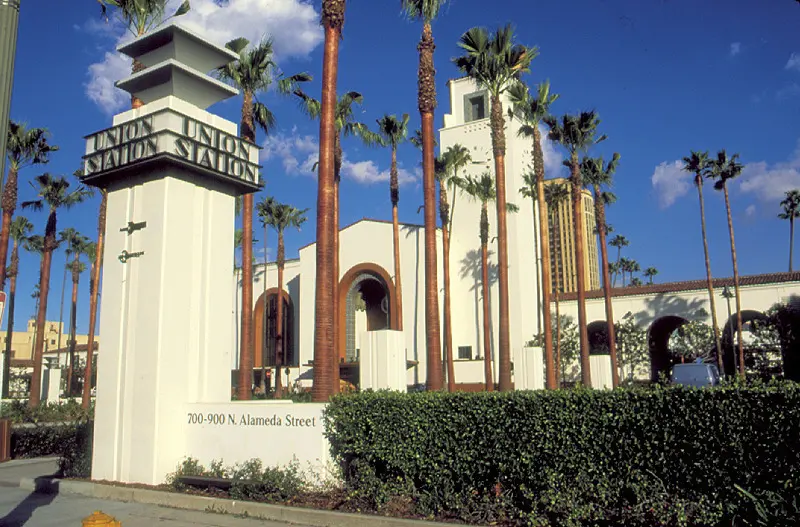

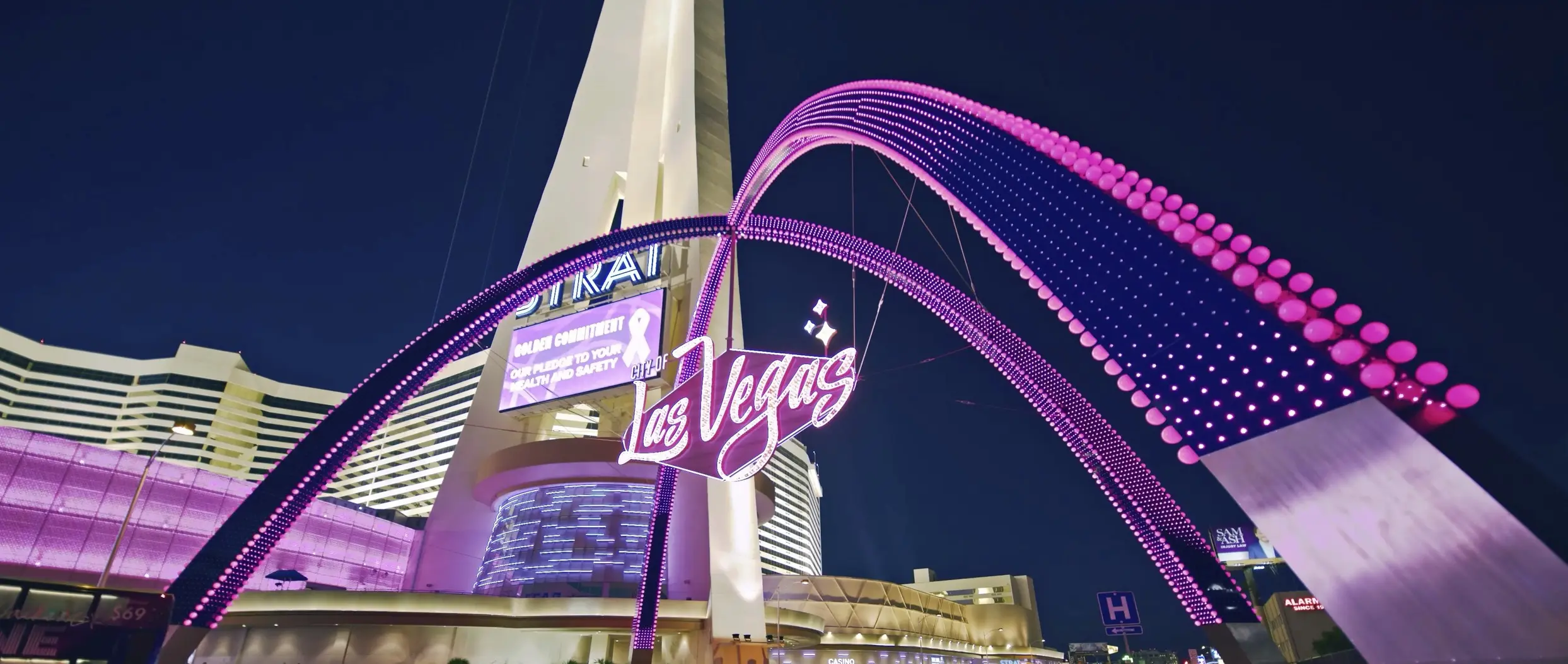
Landmarks span ancient wonders, architectural marvels, natural icons, and cultural symbols. The large and famous among them draw millions of visitors annually and are featured throughout global media, surveys, and travel lists. And although most of us are familiar with these stalwart edifices, we rely upon mostly unnoticed landmarks every day.
Although most of us are familiar with the large and famous, such as the Taj Mahal in Agra, India or the Statue of Liberty in New York, USA, the truth is anything that we use to orient ourselves in the world… is a landmark.
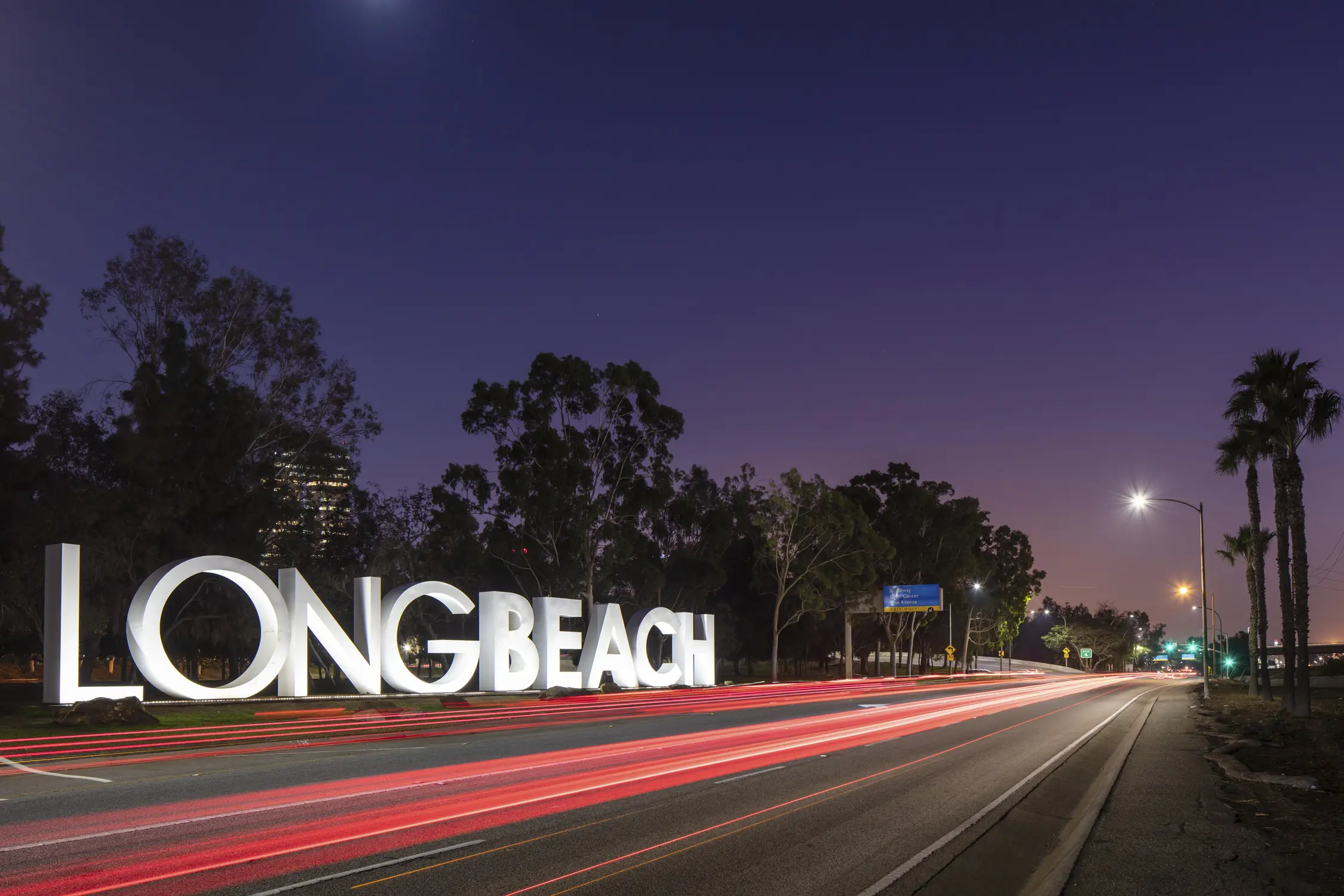
These grand landmarks fulfill their duties. They are large and prominent in that you can see them from a distance; providing a navigational point of reference. They provide an identity association with their city. Think of New York City, and one of the landmarks which is sure to come to mind is the Statue of Liberty. Think of the great pyramids… most likely you’re going to think of Cairo, & Giza, Egypt.
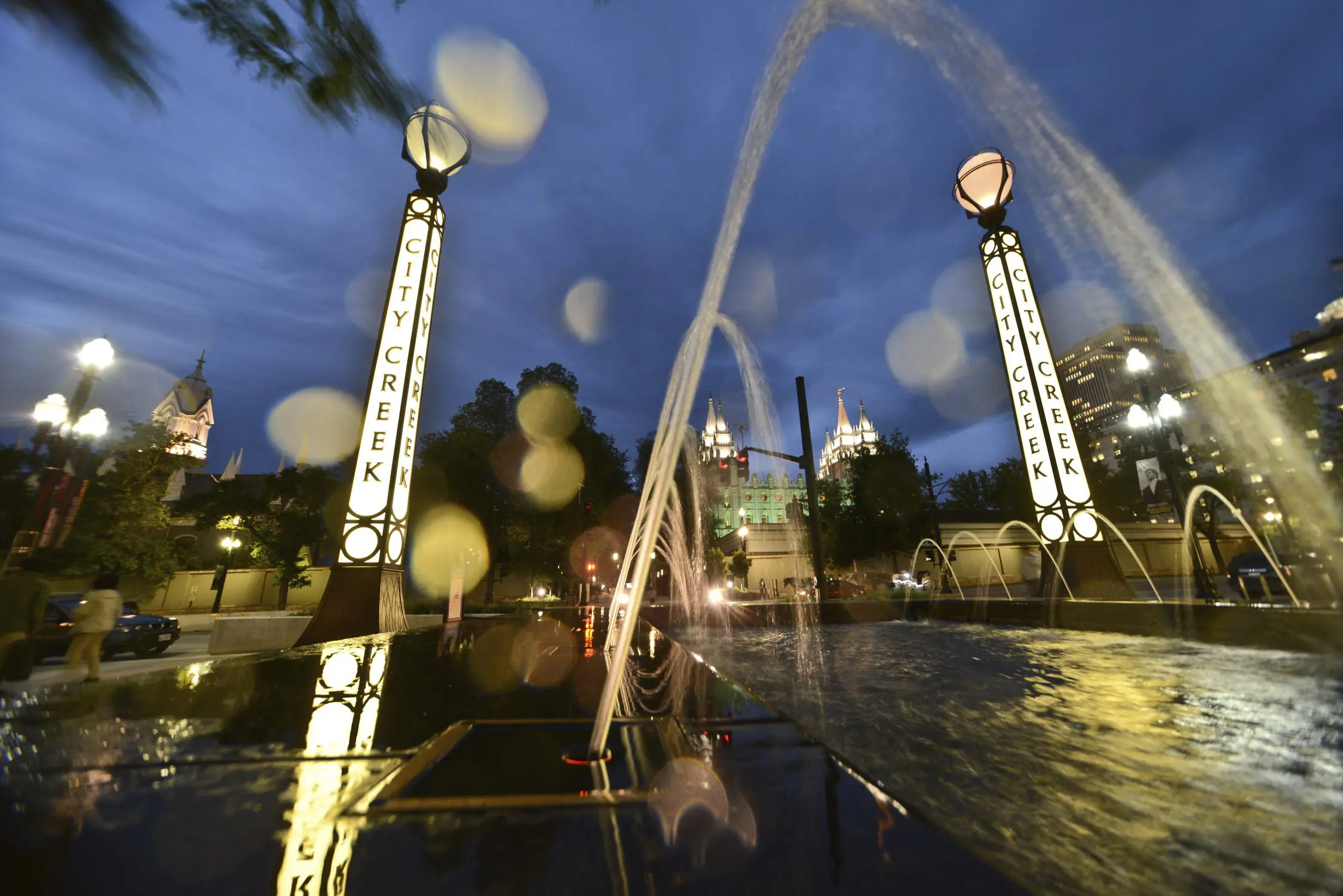
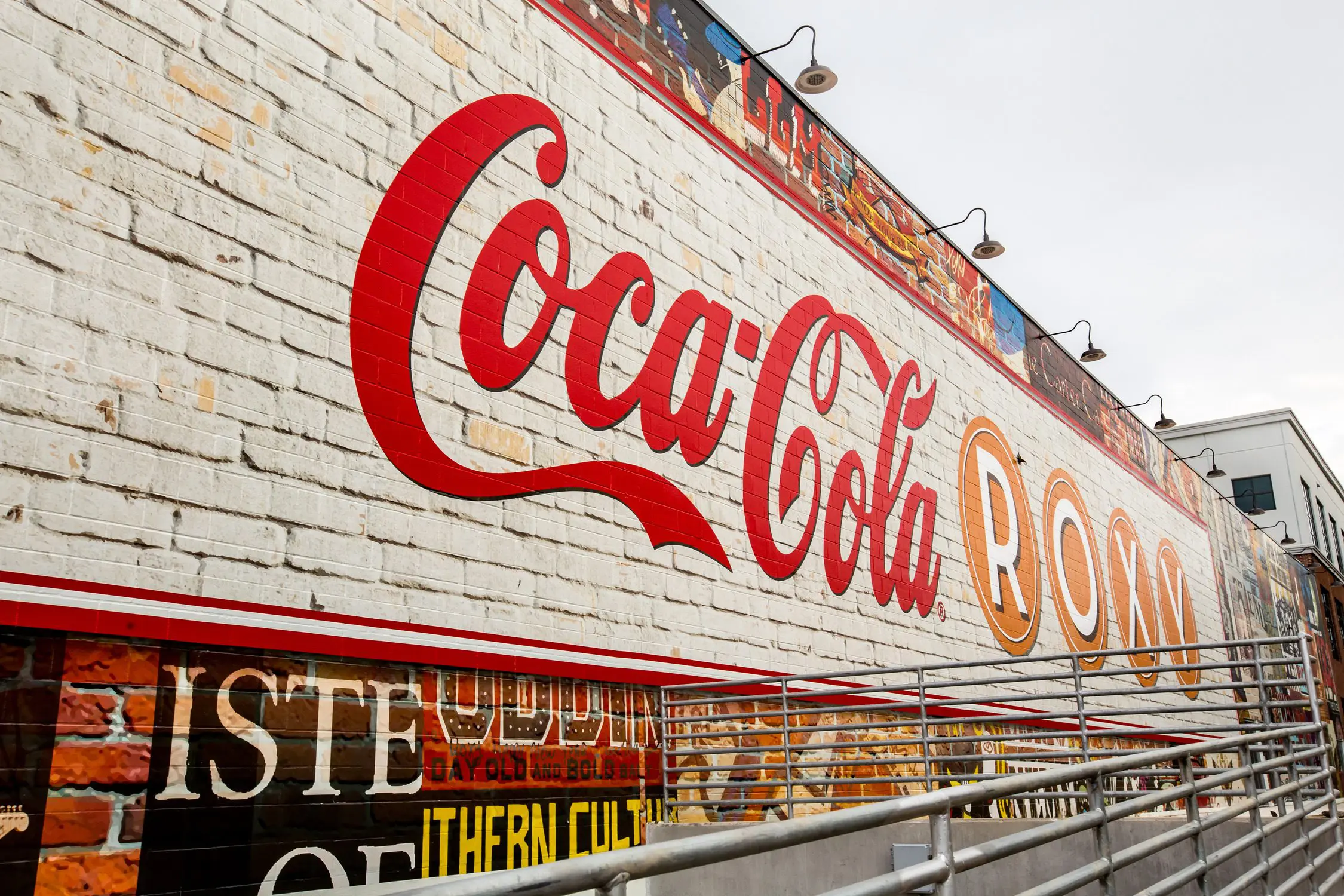
The smaller, everyday landmarks play a similar role in our everyday lives. We are so accustomed to them that they often slip our notice, as we utilize them constantly.
“As far as we are concerned, the bigger the better!”
– Robin Perkins & Clifford Selbert,
Co-Founders, Selbert Perkins Design
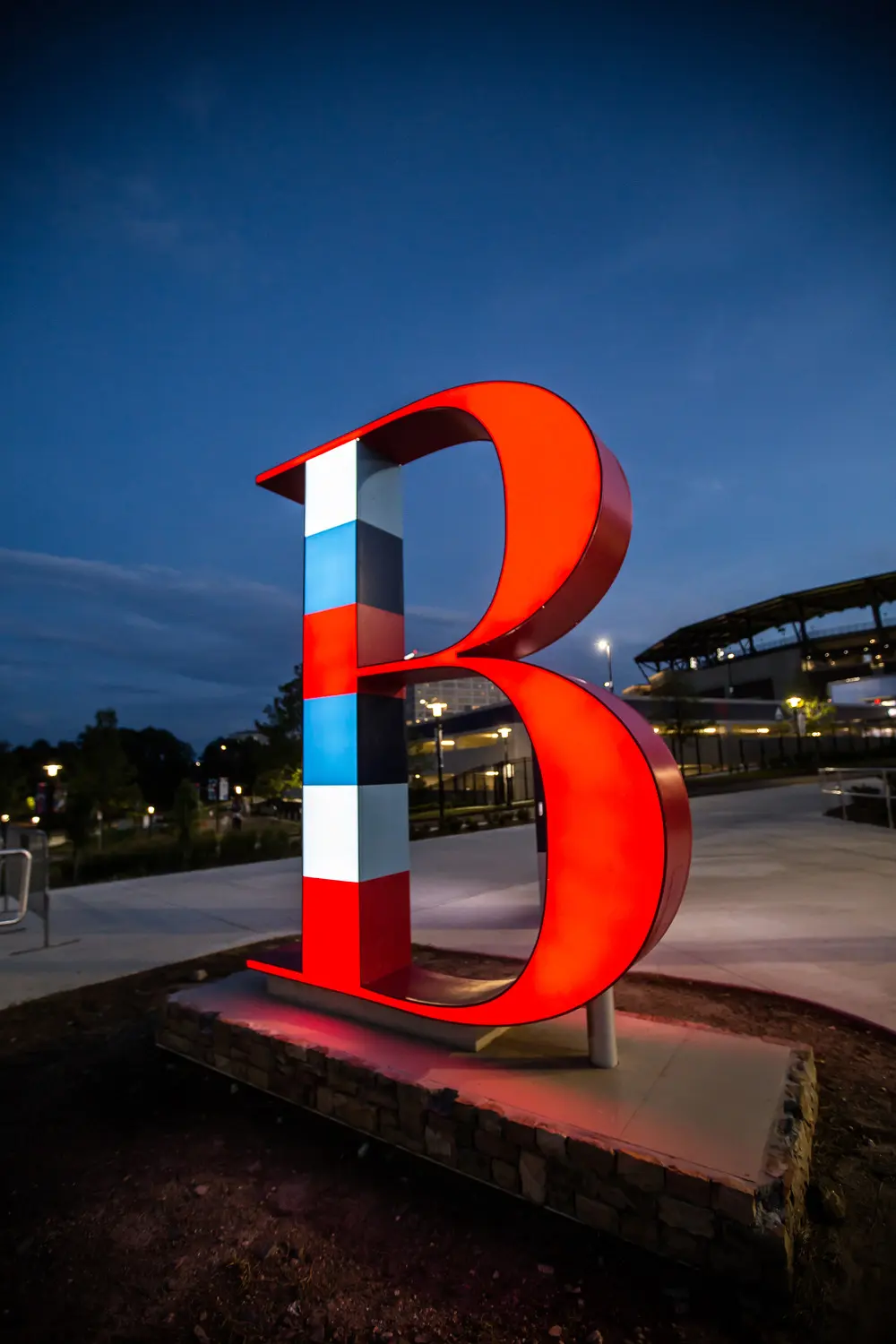
Landmarks serve a wide range of purposes, evolving from their original intent to modern roles in society, economy, and culture. As small as a street sign—as large as a monument, these original Placemaking elements both serve the community as well as drive economic growth.
Navigation
From the earliest of days to current times, Landmarks and Gateways have been the most pervasive and relied upon means by which we orient ourselves in our world. Even with the advent of GPS, we still rely on these physical markers to find our way. “Meet me at the fountain.” “The restaurant is across the street from the statue.” In this “send me a pin” era, we orient ourselves in the world through physical landmarks.
Community Identity
In today’s world where cities, towns and neighborhoods seem to all meld together; where you easily travel from one to another without realizing that you had, Landmarks and Gateways are essential way to delineate community boundaries. They promote pride, unity, and cultural participation. They create a sense of PLACE, to which the community members develop a deep affinity, home and connection. “This is OUR PLACE”… which we love, support and thrive.
Landmarks imbue a sense of affinity; a deep and lasting connection to the place in which we dwell. From the original town square to the latest additions: “This is our town!”
Driving Economic Success
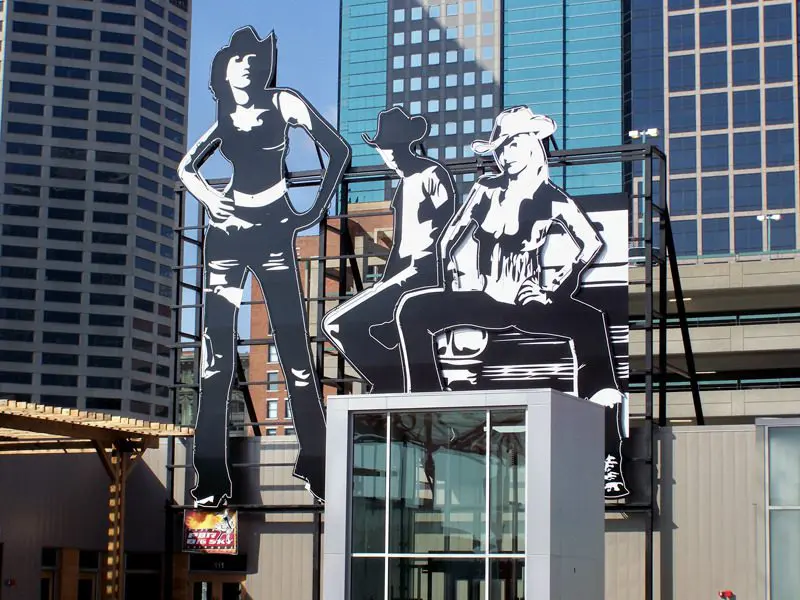
Landmarks are attractors. They become hubs for events, arts, and social gatherings… enhancing quality of life and attracting new residents and customers. They become destinations unto themselves, attracting tourists, shoppers and entertainment-seekers.
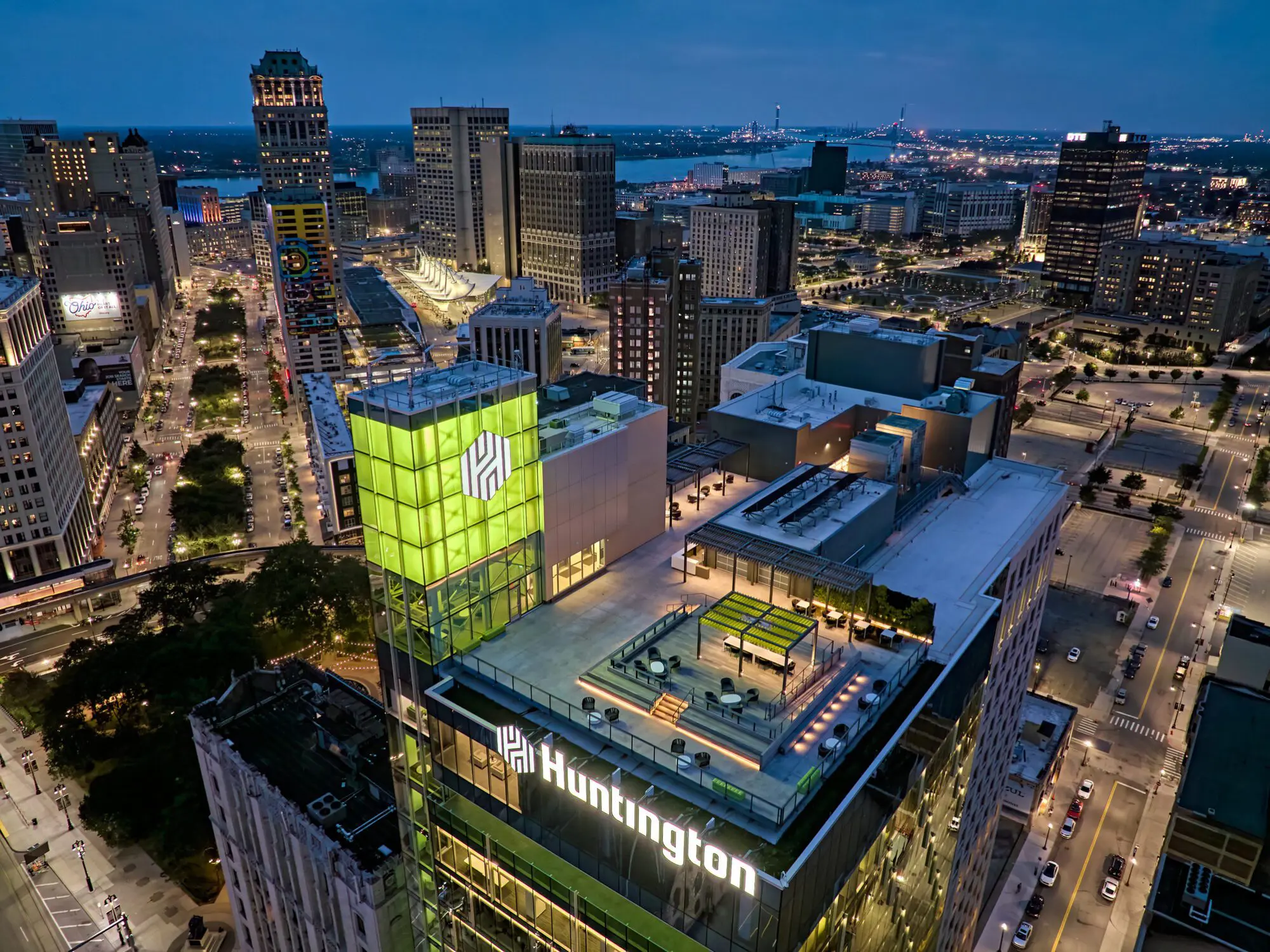
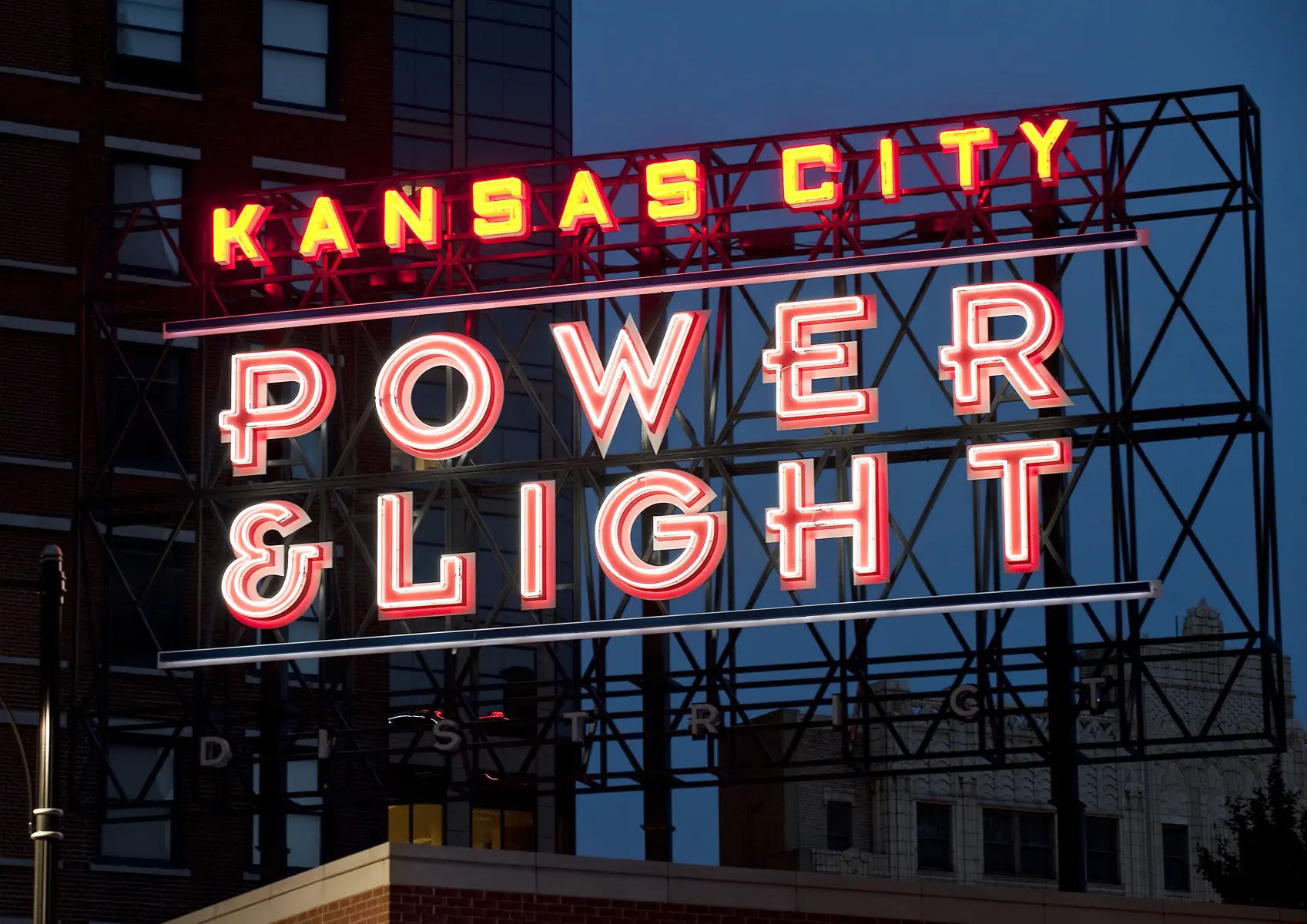
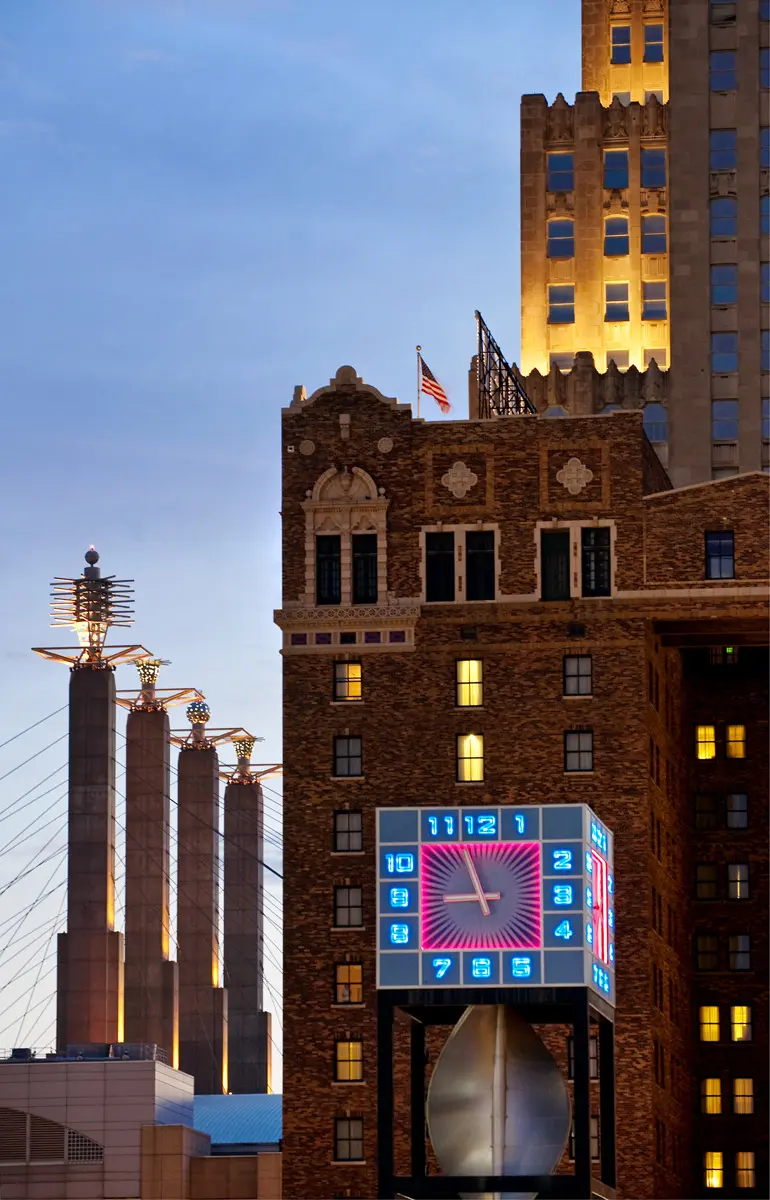
Historic districts can be revitalized and transformed into stable neighborhoods and encouraging business development. Examples can be found in Kansas City Light and Power district, District Detroit and City of Arlington Texas.
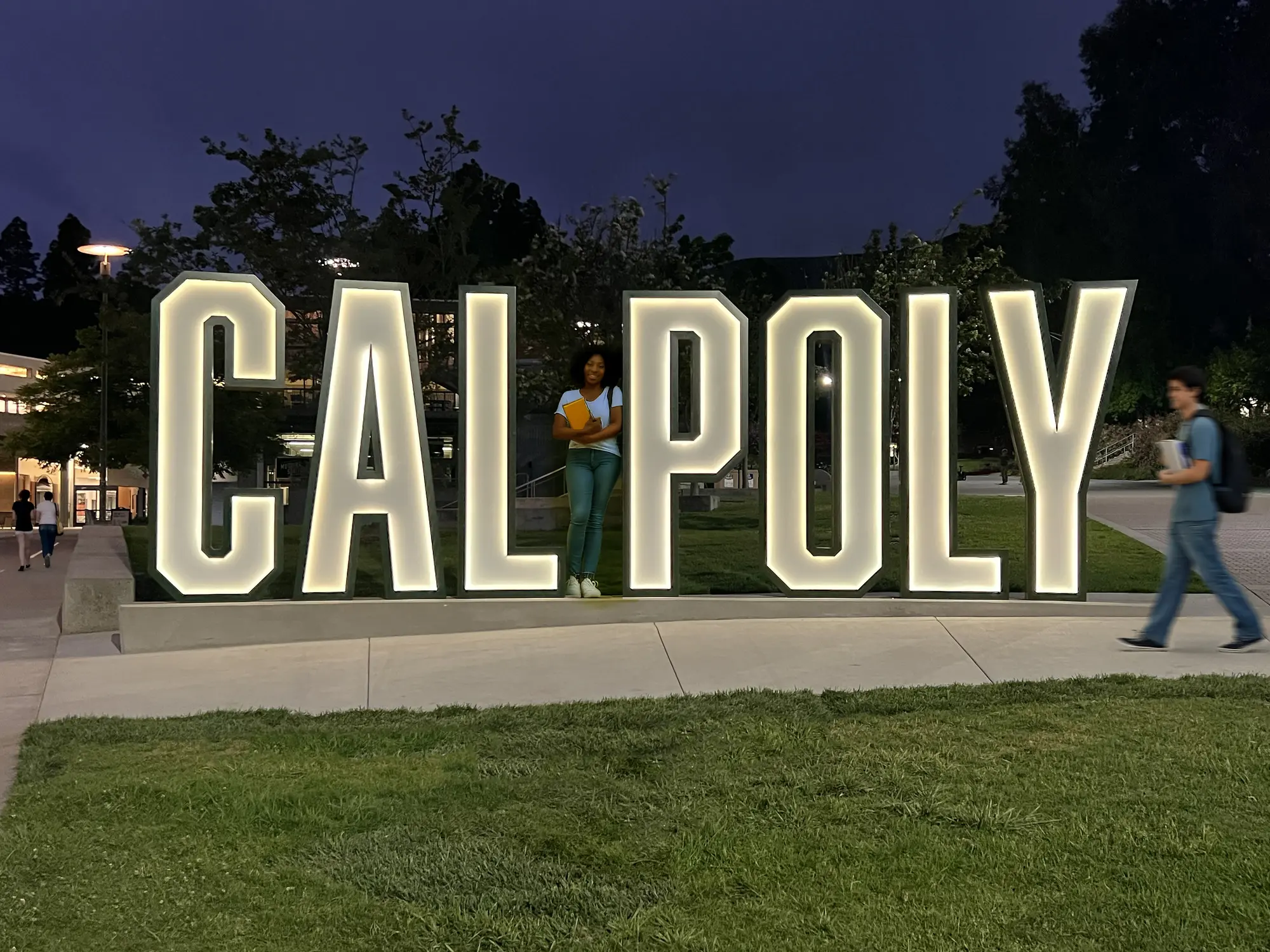
Humans are social creatures. We are driven to connect with one another and enjoy life. We strive to create memorable moment, often immortalized with selfies… in front of landmarks.
Creating lasting landmarks is one of the most powerful and cost-effective ways to drive economic development, while serving the community.
Landmarks are a beautiful, lasting and invaluable addition to any development project while delighting the community and driving economic success to local businesses.
Announcing our latest book: Landmarks: Every Place Has a Story. Every Story Has a Place
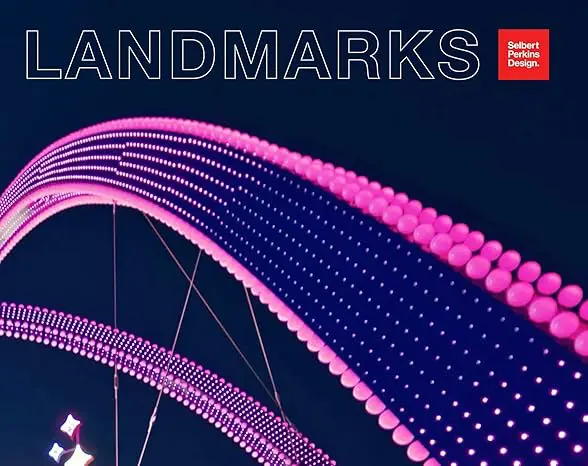
Great destinations around the world are evolving. Today’s global populations expect more wherever they live, work, and play, prompting virtually every aspect of public life to provide richer, more complex, and highly rewarding experiences. These experiential environments are dramatically portrayed in the work of Selbert Perkins Design, an international design firm whose new book, “Landmarks: Every Place Has a Story. Every Story Has a Place,” showcases 60 projects in branding, wayfinding, and placemaking from diverse destinations worldwide.